Heat
Baking pizza in a home oven.
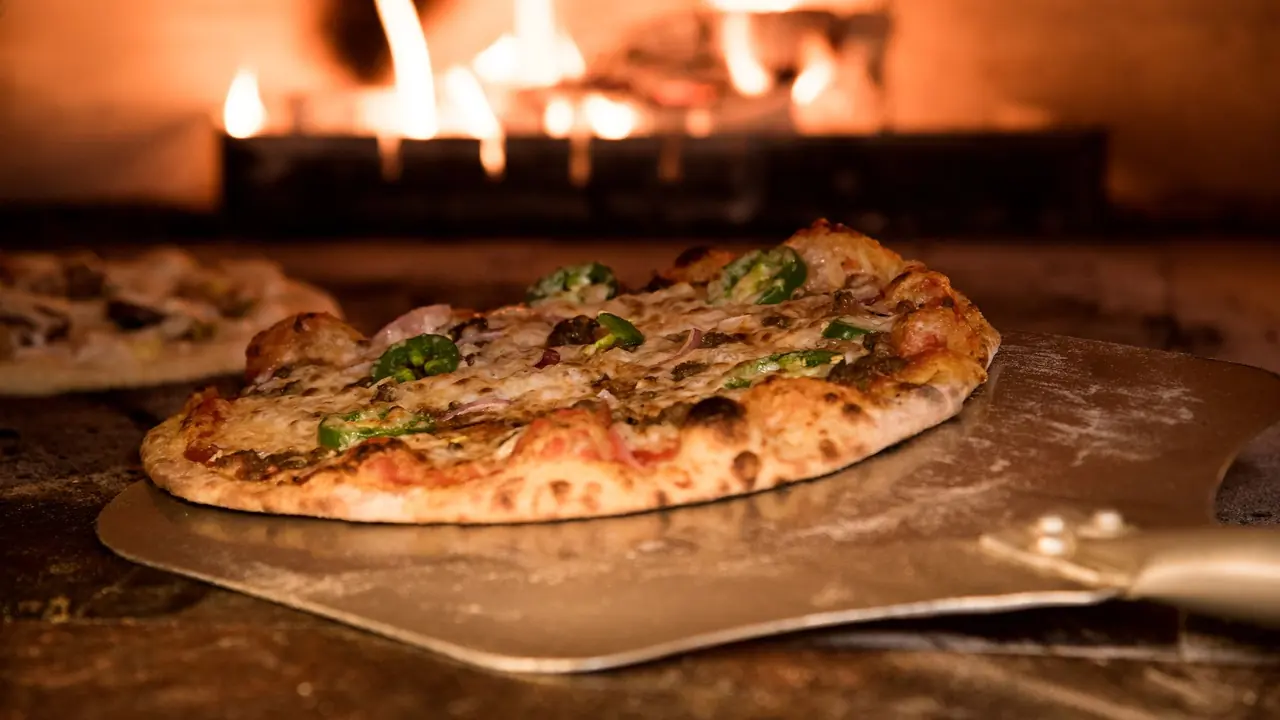
The oven in the photograph is hotter than most home ovens. The times below are for the ovens the recipes actually use.
A pizza bake is a race between the bottom and the top. The bottom needs a hot deck. The top needs air hot enough to melt cheese and color the rim before the center dries out or, worse, before the top burns while the middle stays raw. Home ovens usually max out between 500 and 550°F (260 and 288°C). That is enough for the recipes on this site if the deck is preheated and the pizza is not overloaded.
Always follow the maximum temperature printed by the oven manufacturer and by the maker of the steel, stone, or skillet. Do not set a dial past that limit to chase a wood-fired result.
Steel and stone
Place the steel or stone on an upper-middle rack, leaving a few inches of headroom so the rim does not sit in the broiler. Preheat a steel for 45 minutes and a stone for 60 minutes at the temperature the recipe names:
- Margherita and Neapolitan: 550°F (288°C), about 8 minutes on a steel.
- New York: 500°F (260°C), about 9 minutes on a steel.
- Pepperoni and the same-day dough: 500 to 525°F (260 to 274°C), about 10 minutes on a steel.
On a stone, start checking at that same minute and expect the bake to run a little longer. Parchment is the reliable way to load a pizza without a peel: bake 4 minutes, pull the paper out with tongs, and finish the remaining minutes so the bottom can dry. Those remaining minutes are already included in each recipe’s total, not added on top of it.
Broiler
Use the broiler only at the end, for 60 to 90 seconds, and only if the top is still pale after the bottom has colored. A pizza that broils for the whole bake scorches the cheese and leaves the center doughy. If the broiler and the baking element are the same, watch the pizza. Pull it when the rim spots.
An inverted sheet pan
If you have no steel or stone, invert a heavy sheet pan and preheat it for 20 minutes at the recipe temperature. It will not store as much heat. Add 2 to 3 minutes to the steel time and expect a paler bottom. Do not use a thin dark pan at 550°F if the manufacturer says it will warp.
Cast-iron skillet
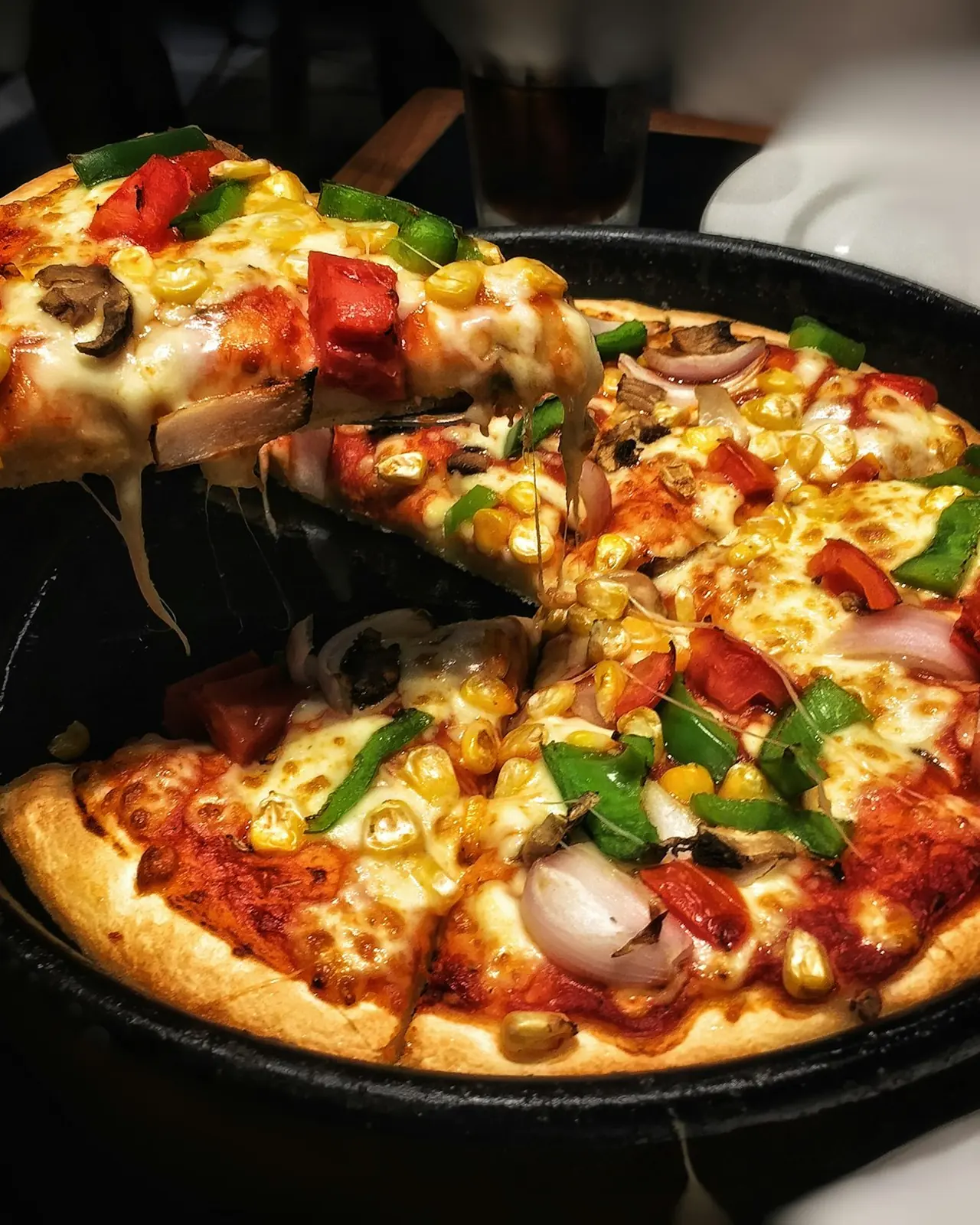
This is the pan method, separate from the stretched-pizza times above. Use one dough ball of about 424 grams from the same-day dough, which is half of that recipe.
- Heat the oven to 500°F (260°C) with a rack in the lower third. Do not preheat the skillet. A screaming-hot pan browns the bottom before the center of a thick rim is cooked.
- Oil a 12-inch cast-iron skillet with 10 grams of olive oil. Press the tempered dough across the bottom and a short way up the side.
- Spread 150 grams of tomato sauce and 120 grams of shredded low-moisture mozzarella. Pepperoni, if you want it, is 55 grams in one layer.
- Bake on the lower rack for 14 minutes. Move the skillet to an upper rack for 2 minutes if the top needs color. Total bake time is about 16 minutes.
- Let the pizza sit 3 minutes in the pan, then lift it out to slice. The rim will be thicker than a New York slice. That is the pan, not a failed stretch.
A 10-inch skillet is too small for a 424 gram ball. Split the ball or expect a very thick crust and a longer bake. Do not use the 16-minute timing for a thin pizza slid onto a steel.
After the oven
A two-minute rest lets the cheese set so the first slice does not slide off. U.S. food-safety guidance is to refrigerate perishable cooked pizza, sauce, and cheese within 2 hours, or within 1 hour if the room is warmer than 90°F (32°C). Reheat leftovers until they reach 165°F (74°C). Raw flour is not a ready-to-eat food, so do not taste unbaked dough.
Common questions
Do I need a pizza oven?
No. Every recipe on this site gives a home-oven time. A dedicated pizza oven at 800°F (427°C) or hotter finishes a Neapolitan-style pizza in about 60 to 90 seconds. Do not reuse the 8- to 10-minute home timings in that equipment.
Steel or stone?
A steel heats faster and transfers heat into the bottom more aggressively, which is why the recipes preheat it for 45 minutes. A stone often needs 60 minutes and may take a minute or two longer in the bake. Both should sit on a rack while the oven preheats, not be inserted cold under the pizza.
Why is the cast-iron time longer?
The skillet method below presses the dough into a pan and bakes it for about 16 minutes at 500°F (260°C). The dough is thicker at the edge than a stretched 14-inch New York round, and the pan is not a preheated steel. The 8- to 10-minute times on the recipe pages are for a stretched pizza on steel, not for this pan.